How to buy a cabin in Ohio: A Hocking Hills buyer’s guide
To buy a cabin in Ohio, start by deciding how you'll use it, because that choice shapes your loan, your budget, and which properties make sense.
Before you make an offer, verify the septic capacity, the water source, and year-round road access, and confirm local rules allow short-term rentals if you plan to rent it out.
Some of the cabins I've walked through in Hocking Hills look incredible on paper, with glass walls facing a ravine, a hot tub on the deck, and a booking calendar the seller is happy to show you.
Then you ask about septic capacity, where the water comes from, who maintains the private road, and whether that road is passable in February, and the picture gets much more complicated.
Those details matter even more if you plan to rent. Hocking Hills draws more than 4 million visitors a year, and most of the lodging here is cabins, lodges, and single-family homes, according to the Hocking Hills Tourism Association.
Our team represents buyers, sellers, investors, and new construction in Hocking Hills, including Cave Creek, a 22-site luxury cabin development near Old Man's Cave, so we're constantly weighing land, construction costs, rental potential, and resale value.
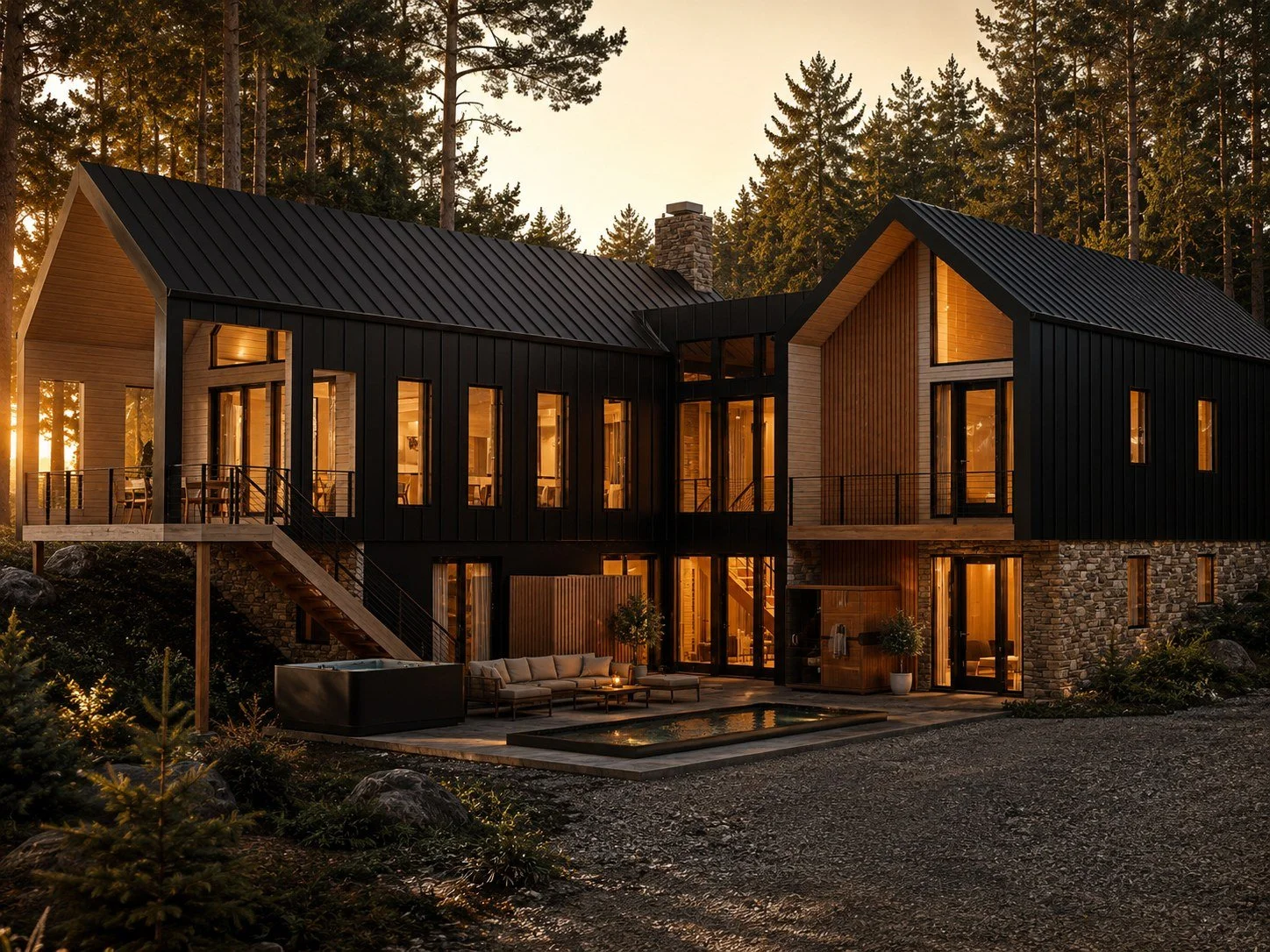
Decide how you'll use the cabin first
Get clear on whether this will be a personal retreat, a rental, or both. That choice decides how a lender classifies the property, which sets your down payment, your rate, and how much you can rent it.
Fannie Mae's guidelines define a second home as a one-unit property you occupy for part of the year that's suitable for year-round occupancy. You can still earn rental income from a second home, but lenders generally can't count it to help you qualify.
If rental income is the main plan, expect an investment property loan, which typically means a higher rate and 20 to 25 percent down. Our guide to second homes versus investment properties goes deeper, and it's smart to talk with a lender who has financed Hocking Hills cabins before you tour.
Choose between a finished cabin, a homesite, or raw land
The next decision is how much of the work you want to take on. Our earlier post on cabins, chalets, and custom builds covers the home styles you'll find here.
Buy a finished cabin when:
You want to use or rent the property the month you close
You'd rather inherit a proven setup
You want booking history you can review up front
The Wilderness Collection fits this path, with eight newly built, fully furnished modern cabins, each with a private hot tub.
Choose a homesite in a development when:
You want to pick your own lot and floor plan
You want the developer to handle roads, utilities, and site planning
You're comfortable waiting through construction
At Cave Creek, buyers choose from 22 homesites and four floor plans near Old Man's Cave.
Buy raw land when:
You have a vision no existing cabin matches
You have time for permits, soil evaluation, and a full build
You can budget for a new well, septic system, and driveway
Call the Hocking County Regional Planning Office first. It will review driveway, floodplain, health department, and subdivision requirements before you spend any money, and if you plan to build several cabins and sell them individually later, each one needs its own tract with public road frontage.
In Hocking Hills, the details behind the property can matter just as much as the property itself.
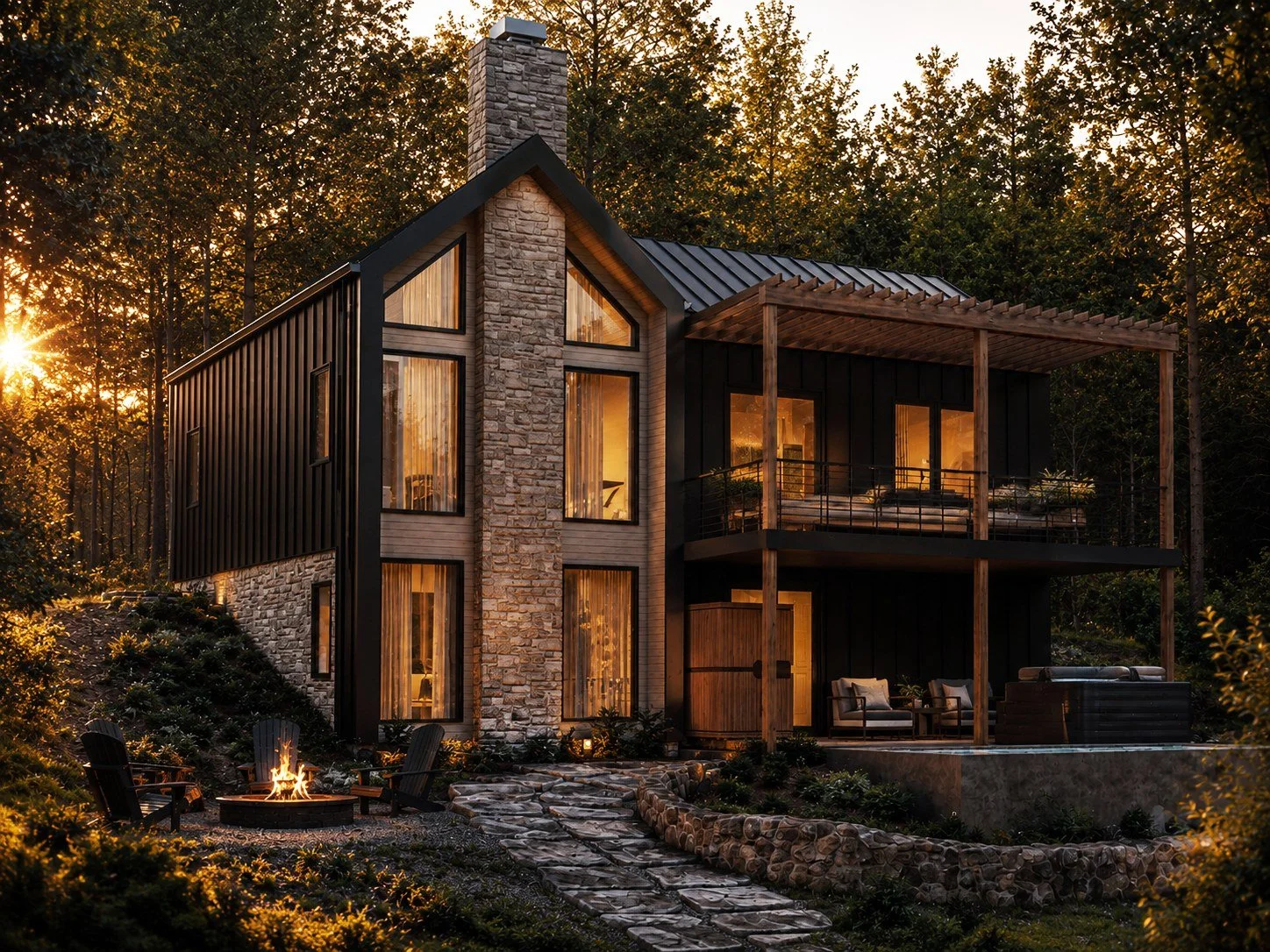
Septic capacity is the first thing I ask about
A septic system is permitted for a set number of bedrooms, and a cabin marketed to sleep 12 can sit on a system approved for fewer. Ask the health department for the original permit and compare it with the cabin's layout, since that gap can limit how you rent it.
The Hocking County Health Department will inspect an existing system on request. Existing systems don't have to meet current code, but they need a riser to grade and must be working with no sign of failure.
The department doesn't require pumping first, so I also recommend having a registered septic contractor pump and inspect the tank during due diligence.
A 2012 Ohio Department of Health survey found that 31 percent of the state's septic systems, about 194,000, were failing, though rates ran lower in southern Ohio.
Know what the water source is and test it
Many cabins rely on a private water system instead of a public line. When the health department inspects a property, it sends a water sample to a state-certified lab to test for bacteria and nitrate, and you can add lead and arsenic testing for an extra fee.
Bedroom count matters here too. The county's draft short-term rental ordinance notes that Ohio already requires annual health department water sampling for rental cabins with five or more bedrooms, so budget for it if you're looking at a large lodge.
Make sure the road works in every season
Long gravel driveways and private roads are easy to underestimate on a dry fall afternoon. Ask who maintains the road, whether there's a recorded maintenance agreement, and who pays to plow and regrade it.
Emergency crews share that concern. Logan Fire Chief Chris Maley told WOUB that many rental cabins sit on steep, muddy gravel driveways deep in the woods, and the county's EMS chief said some bridges and driveways can't handle an emergency vehicle's weight.
The county's proposed rental ordinance ties permits to driveway standards for that reason.
Year-round access matters to your lender too, since a second home must be suitable for year-round occupancy.
Cell service is spotty across much of the region, so confirm which internet providers serve the address before counting on remote work or smart locks for guests.
Know the rental rules in your part of the county
Inside Logan city limits, short-term rentals need a city license, aren't allowed in the R-1 district, and are capped at 60 active licenses in the R-2 and R-2-B districts, with a $50 application fee plus $500 a year.
Most Hocking Hills cabins sit outside the city, where there's no county rental permit yet. Every rental still has to register for the county's 6 percent lodging tax, which is split between the township and the county.
That could change. A countywide ordinance went to the county commissioners in February 2026, and the January draft would require an annual $50 permit, a site inspection, $1 million in liability coverage, and proof of health department compliance.
At last check it hadn't been adopted, so confirm its status with the county before you buy.
In a development, read the covenants too, because they can restrict rentals regardless of county rules.
Run the numbers like an operator
Not every beautiful cabin is a good investment, and not every good investment looks obvious at first. Before you fall for the view or the architecture, look at the cabin's distance from the major attractions, its operating costs, and its likely revenue.
Visitors spent $162.9 million directly in Hocking County in 2023, according to TourismOhio, but visitor numbers have leveled off since the pandemic surge, so judge a property on its recent booking history.
On the cost side, count lodging tax and insurance, your share of road maintenance, and upkeep like cleaning, hot tub service, and septic pumping. The draft ordinance would also require a local contact who can be on site within an hour, which matters if you'll self-manage from Columbus.
Who to call before you make an offer
Septic system: Ask for the original permit, approved bedroom count, and last pumping date. Call the Hocking County Health Department at 740-385-3030.
Water source: Ask for the source type and a recent bacteria and nitrate test. Call the Hocking County Health Department.
Road and driveway: Ask for the recorded maintenance agreement and who plows and regrades. Call the seller, the title company, and the township.
Land and building: Ask about floodplain status, driveway permits, and subdivision rules. Call the Hocking County Regional Planning Office.
Rental rules: Ask about city or county jurisdiction, permit status, and covenants. Call the City of Logan or Hocking County, plus the HOA.
Frequently asked questions
-
Hocking Hills is about 60 to 75 minutes southeast of downtown Columbus, close enough that many Columbus buyers use cabins there as weekend homes.
-
Most cabin buyers use a second home loan or an investment property loan. A second home must be one you occupy part of the year, and if you're buying mainly for rental income, expect investment property terms with a higher rate and a larger down payment.
-
In most of unincorporated Hocking County you can, as long as you register for the 6 percent lodging tax, while Logan requires a city license and bans rentals in some districts. A countywide permit ordinance has been proposed, so confirm its status before you buy.
-
Get a general home inspection plus separate septic and water inspections, which the Hocking County Health Department performs on request. If you plan to rent a cabin with an elevated deck, have it checked too, because the county's draft rental ordinance includes deck load standards.
-
It can be, if the numbers work for that property. Demand is strong at more than 4 million visitors a year, but it has leveled off after the pandemic boom, so judge a cabin on its recent booking history and operating costs.
-
Plan for insurance, the 6 percent lodging tax if you rent, and upkeep like cleaning, hot tub service, and septic pumping. Owners on private roads usually share maintenance costs, and owners who live far away should budget for a property manager.

Talk through a Hocking Hills cabin with our team
If you're weighing a cabin, homesite, or piece of land, we'll go through the infrastructure, rental rules, and numbers with you.
Talk through a Hocking Hills cabin with us
For the lifestyle side of owning here, download our Ultimate Guide to Hocking Hills Real Estate.
The Mancini Group
mandy@themancinigroupsells.com
614-796-5077