What adds value before selling your home in Columbus (and what doesn’t)
If you’re preparing to sell your home, the instinct is almost always the same: “What should I fix, update, or renovate before listing?”
It’s a smart question — but it’s also where many sellers go wrong.
Because not all upgrades add value. And in today’s Central Ohio market, the difference between a smart investment and wasted spend can be significant.
The goal isn’t to make your home perfect. The goal is to make it strategically appealing to the right buyer.
Let’s break down what actually moves the needle — and what doesn’t.
Start by shift your mindset
Before we get into specifics, here’s the truth most sellers don’t hear:
You are not updating your home for yourself anymore.
You’re preparing it for a buyer — someone who is comparing your home to everything else on the market.
That means:
Emotional attachment needs to be removed
Personal style needs to be neutralized
ROI matters more than preference
The homes that win aren’t always the most updated — they’re the most aligned with buyer expectations at their price point.
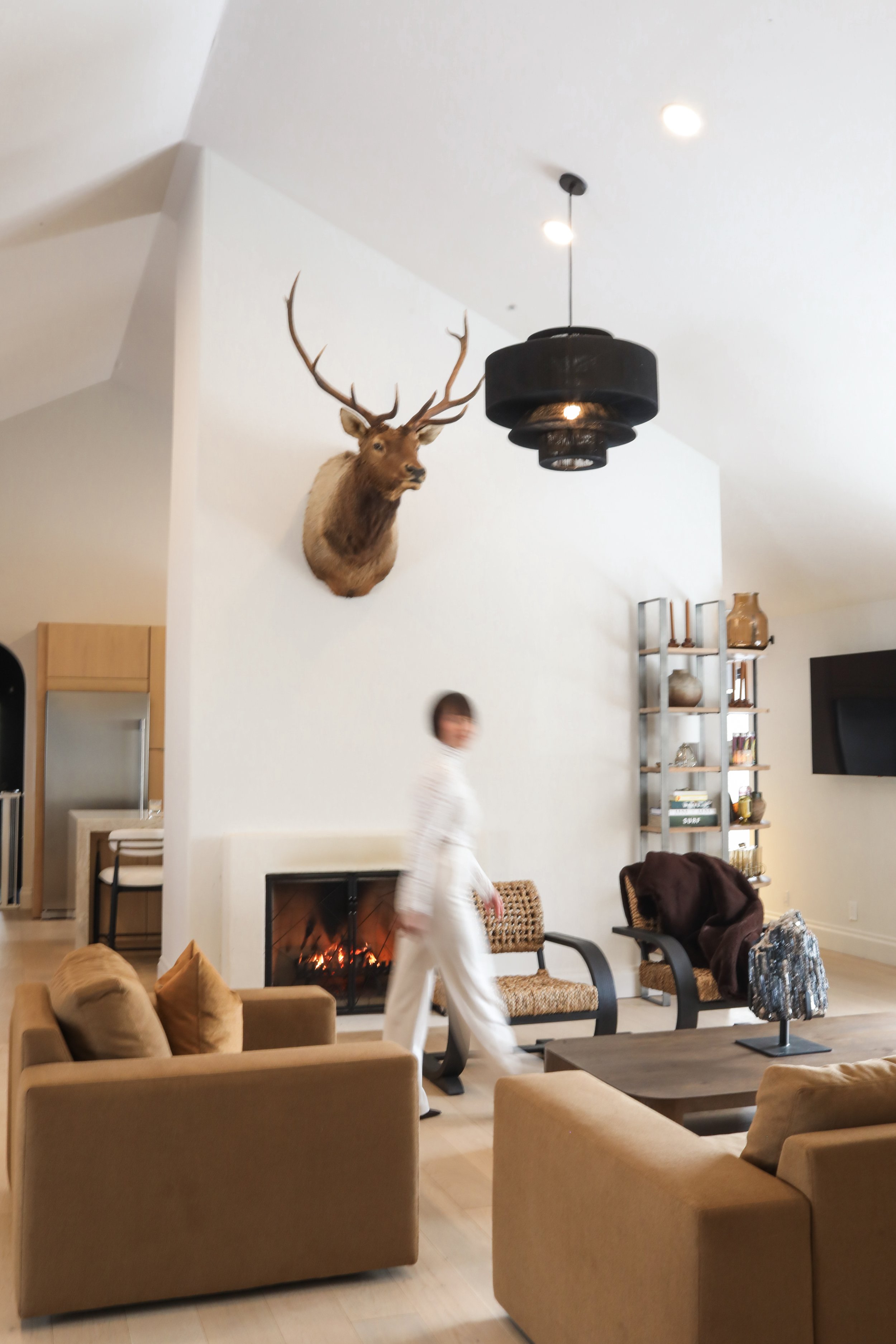
What actually adds value?
These are the updates that consistently create stronger offers, faster sales, and better overall outcomes.
1. Paint (the highest ROI update — every time)
Fresh, neutral paint is one of the simplest and most effective ways to increase perceived value. Stick with warm neutrals — avoid bold colors or overly cool grays. If your walls are scuffed, dark, or dated, this is non-negotiable.
Why it works:
Brightens the space
Makes the home feel clean and move-in ready
Appeals to the widest audience
2. Lighting upgrades
Lighting is often overlooked — and it shouldn’t be. Outdated fixtures can make an otherwise great home feel tired. Buyers don’t always notice lighting directly — but they feel it immediately.
Simple upgrades like:
Modern pendants
Updated chandeliers
Warmer, consistent bulbs
3. Kitchens (but only the right updates)
You don’t need a full kitchen renovation to add value. In fact, most full remodels don’t return dollar-for-dollar at resale. What buyers want is a kitchen that feels current — not necessarily brand new.
What does work:
Cabinet painting or refinishing
Updated hardware
New countertops (in some cases)
Modern backsplash
4. Bathrooms (clean, not custom)
Same rule applies here. You don’t need a luxury spa renovation. Replacing a vanity, mirror, or faucet can go a long way without overspending.
You need:
Clean grout
Updated fixtures
Neutral finishes
Good lighting
5. Flooring consistency
Nothing dates a home faster than inconsistent or worn flooring. If you can’t replace everything, focus on creating consistency in main living areas.
Buyers notice:
Transitions between multiple materials
Carpet wear
Outdated finishes
6. Curb appeal
First impressions still matter, and making minor upgrades can influence how buyers feel before they even step inside. It doesn’t need to be anything overly complex.
Think of things like:
Fresh mulch
Trimmed landscaping
Clean entryway
Updated front door or hardware
What doesn’t add value (or adds less than you think)
This is where sellers often overspend — and regret it.
1. Full-scale renovations
Unless your home is severely outdated, large renovations rarely pay off before selling. If you’re going to stay in the home long-term, that’s different. If you’re selling soon, keep it strategic.
Why?
You’re paying retail for improvements
Buyers won’t value them at the same level
You risk over-improving for your neighborhood
2. Highly personalized design choices
Bold tile. Statement wallpaper. Unique finishes. They might look great — but they limit your buyer pool. The goal is broad appeal, not design awards.
3. Over-upgrading secondary spaces
Laundry rooms, guest bedrooms, basements. Nice to have? Yes. Value-driving? Rarely.
Focus your budget where buyers make decisions:
Kitchen
Living areas
Primary suite
4. Landscaping overhauls
Major outdoor investments (hardscaping, extensive redesigns) often don’t return their cost unless you’re in the luxury segment.
Keep it clean and maintained — not overbuilt.
The real value driver: perception
Here’s what matters most:
Buyers don’t evaluate your home line by line. They evaluate how it feels. That perception drives offers more than any single upgrade.
Does it feel:
Move-in ready?
Clean?
Updated enough?
Worth the price?

Final thoughts
The homes that sell for the most aren’t always the most renovated. They’re the most strategic.
If you’re thinking about selling, let’s walk your home and build a plan that actually makes sense for your goals.
The Mancini Group
mandy@themancinigroupsells.com
614-796-5077